
The dogs differ greatly in size, shape, and looks. One of the most remarkable distinctions of different dog coat breeds is the coat type that the particular breed has. Learning about the dog coat types is very important since each coat should be cared for in a unique way. The owner of a fluffy long coat of a dog, short coat, or a breed that doesn’t shed should know how to take care of his pet’s coat in order to keep it in good condition.
A healthy coat is more than just the beauty of your dog. The coat keeps the skin protected from various impacts and helps maintain the right body temperature and serve as a protective barrier from dirt and environmental influences. Grooming, proper nutrition, and products for dog’s coat should be considered carefully when talking about maintaining the health of your pet. Let us discover together what coat types do exist and which products from Clapaw may be useful.
Why Understanding Dog Coat Types Matters
Every single coat has its own features which affect the frequency of brushing and shedding and other things. Choosing an improper technique of grooming will make your dog matted, shed too
much or suffer from other problems.
- Knowing your dog’s coat will help you:
- Choose a perfect brush.
- Make an appropriate grooming schedule.
- Prevent excessive shedding at home.
- Keep skin and hair healthy.
Spot possible skin or coat problems timely. Proper care and grooming techniques can give your dog a good and healthy coat.
Double Coat Dogs
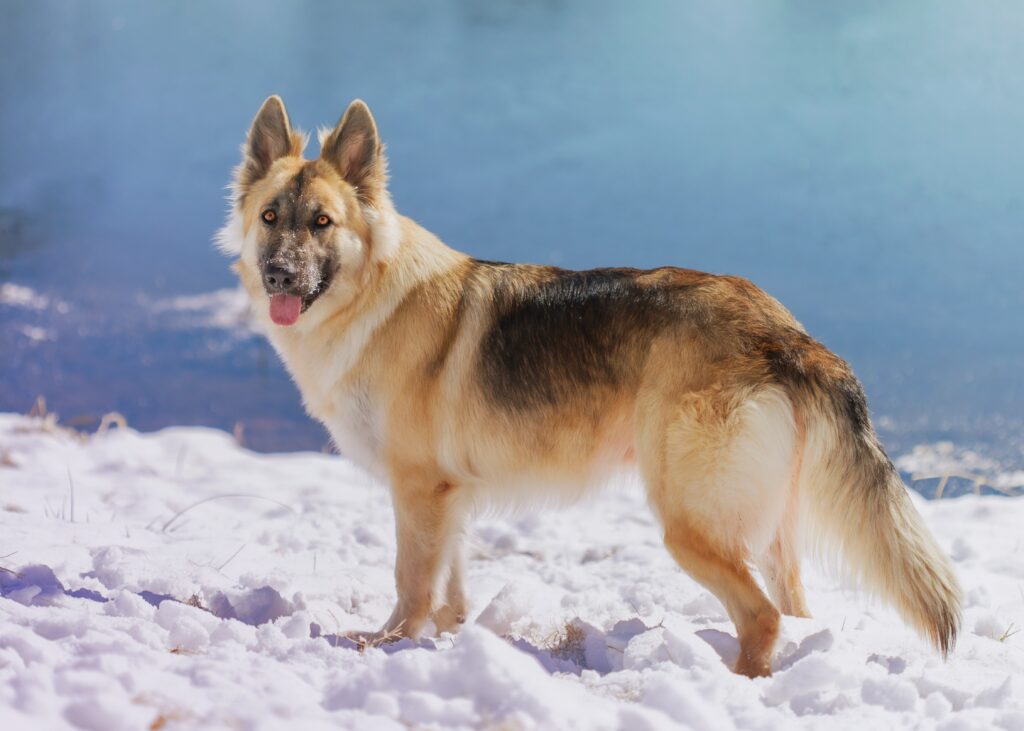
Among the popular types of coats, there is the double coat. True to its name, double-coated dogs have two different coats. The outer coat comprises long guard hairs which are water-repellent, while the inner coat is soft and dense
Popular Double Coat Dogs
Some examples of double coats dogs are as follows:
- Golden Retriever
- German Shepherd
- Siberian Husky
- Labrador Retriever
- Akita
- Chow Chow
The double coat dogs generally shed all year round, but they have more shedding sessions during certain seasons.
Grooming Needs for Double-Coated Dogs
It is important to brush regularly in order to get rid of any loose fur undercoat and prevent matts. When it comes to the shedding season, regular brushing might become a must. Utilization of the perfect grooming brush for dogs with double coats will greatly decrease shedding and maintain the coat’s health.
A good grooming tool by Clapaw may assist you in doing this.
Short Coat Dogs
Short-coated dogs have smooth fur that lies close to the body. Although these dogs generally require less grooming than long-haired breeds, they still shed and need routine care.
Common Short-Coated Breeds
- Beagle
- Boxer
- Doberman Pinscher
- Dalmatian
- Greyhound
Grooming Tips
For short-coated dogs, it is advisable to brush their fur once every week to help remove any loose hairs and even distribute their natural oils. A good brush to use on such breeds would be the silicone brush.
Long Coat Dogs
Long-coated dogs are known for their beautiful, flowing fur. While these coats can be stunning, they require significant maintenance to prevent tangles and mats.
Examples of Long-Coated Breeds
- Afghan Hound
- Shih Tzu
- Yorkshire Terrier
- Maltese Collie
Grooming Requirements
Long-haired dogs need to be groomed a few times each week. The areas behind their ears, below their legs, and at the tail are especially susceptible to knots.
Regular use of a good quality brush for detangling can help maintain your dog’s coat.
Wire Coat Dogs
Wire-coated breeds have rough, coarse hair that provides protection against harsh weather and rough terrain. These coats are durable but require specialized grooming techniques.
Popular Wire-Coated Breeds
- Wire Fox Terrier
- Schnauzer
- Airedale Terrier
- Brussels Griffon
Grooming Considerations
Wire coats often benefit from hand stripping, a grooming technique that removes dead hair from the root. Regular brushing also helps maintain coat texture and appearance.
Curly Coat Dogs
Curly coats are dense and often trap loose hair rather than releasing it into the environment. This characteristic makes many curly-coated breeds popular among people seeking non-shedding dog breeds
Common Curly-Coated Dogs
- Poodle
- Bichon Frise
- Portuguese Water Dog
- Labradoodle
Grooming Needs
Though these breeds shed less, they need regular grooming due to their tendency to mat easily from accumulated hair. Grooming on a weekly basis along with brushing is usually suggested for these dogs
Non-Shedding Dog Breeds
The reason why many dog owners choose to get dogs that do not shed is the reduced number of loose hairs shed into the environment. No dog will ever be fully shed free, but there are some dogs that shed very little.
Popular Non-Shedding Dog Breeds
- Poodle
- Bichon Frise
- Maltese
- Schnauzer
- Portuguese Water Dog
These breeds still require regular grooming to prevent tangles and maintain coat health. Less shedding does not necessarily mean less maintenance.
Choosing the Best Dog Grooming Brush
Selecting the best dog grooming brush depends on your dog’s specific coat type. Different brushes are designed for different grooming needs.
Slicker Brushes
Ideal for long-haired and curly-coated dogs. They help remove tangles and loose fur.
Undercoat Rakes
Perfect for double coat dogs. These tools penetrate the outer coat to remove loose undercoat hair
Silicone Brushes
Excellent for short-coated breeds and bath-time grooming. Silicone brushes can gently massage the skin while removing dirt and loose hair.
Grooming Gloves
This tool is recommended for use in dogs that are not comfortable with regular brushes. The Clapaw grooming gloves provide a more natural grooming experience and collect shed fur.
At Clapaw, you will find grooming tools that will make the grooming process easier for both you and your pets. If your dog dislikes traditional brushes, read How to Make Bath Time Stress-Free with Grooming Gloves for practical grooming tips.
The Role of Nutrition in Coat Health
Grooming alone is not sufficient to ensure good coat condition. Diet is an essential factor when it comes to good skin and hair coat condition. Feeding your dog good dog food will go a long way in ensuring that he has good coat condition.
Important Nutrients for Healthy Coats
Omega-3 Fatty Acids
These healthy fats help reduce inflammation and promote shiny, healthy fur.
Omega-6 Fatty Acids
Support skin barrier function and contribute to coat softness.
High-Quality Protein
Hair is primarily made of protein. Adequate protein intake supports coat growth and strength.
Vitamins and Minerals
Vitamins A, E, and zinc contribute to healthy skin and fur development.
Choosing high-quality dog food for skin and coat health can reduce dryness, excessive shedding, and skin irritation.
Grooming Tips for Every Coat Type
Regardless of your dog’s coat type, several grooming practices benefit all breeds. Avoid mistakes discussed in Common Grooming Errors That Stress Pets Out to make grooming safer and more comfortable for your pet.
Establish a Routine
Consistent grooming prevents matting and allows you to monitor your dog’s skin condition
Bathe Appropriately
Avoid over-bathing, as excessive washing can strip natural oils from the coat.
Use Quality Grooming Tools
Investing in reliable grooming products, such as those offered by Clapaw, can improve grooming efficiency and comfort.
Monitor Skin Health
Check regularly for redness, irritation, parasites, or unusual changes in the skin or coat.
Conclusion
Knowledge about different types of dog coats is one of the key factors when it comes to being a responsible dog owner. Double coated doggies, short coated, curly coated, and non-shedding doggies require special treatment. Grooming your doggy, right brush, and dog food that will improve your dog’s skin and coat condition are very helpful in keeping a healthy and beautiful coat.
When it comes to grooming your doggy based on its coat type, this will help in reducing shedding, preventing any skin problems, and keeping your dog looking gorgeous and feeling comfortable. You can always find quality grooming solutions for your doggy’s coat at Clapaw.
Frequently Asked Questions (FAQ)
What are the main types of dog coats?
The main dog coat types include double coats, short coats, long coats, wire coats, and curly coats. Each type has different grooming and maintenance requirements.
Are double coat dogs high maintenance?
Double coat dogs typically require more frequent brushing, especially during seasonal shedding periods. Regular grooming helps manage loose fur and maintain coat health.
Which are the best non-shedding dog breeds?
Popular non-shedding dog breeds include Poodles, Bichon Frises, Maltese, Schnauzers, and Portuguese Water Dogs.
How often should I brush my dog's coat?
Brushing frequency depends on coat type. Long-haired and double-coated dogs often require several brushing sessions per week, while short-haired dogs may only need weekly brushing.
What is the best dog grooming brush?
The best dog grooming brush depends on your dog’s coat type. Slicker brushes work well for long coats, undercoat rakes are ideal for double coats, and silicone brushes are excellent for short-haired breeds.
Can diet affect my dog's coat health?
Yes. High-quality dog food for skin and coat health containing omega fatty acids, protein, vitamins, and minerals can significantly improve coat condition and reduce shedding.