
Bringing home a new bed or toy for your pet is exciting. You picture your dog curling up in comfort or your cat chasing their new toy with endless joy. But often the reality is different. Some pets ignore the item, while others seem scared of it. This can leave you feeling frustrated and confused. The good news is that with patience, consistency, and the right approach, you can help your pet accept and enjoy their new belongings. So keep on reading to know How to Introduce a New Bed or Toy to Your Pet Successfully.
Know Your Pet’s Perspective
Your pet does not see a new bed or toy the way you do. To them, it’s unfamiliar. Pets rely heavily on scent and routine. Anything new in their environment can cause hesitation. Cats may sniff and walk away, while dogs might bark or avoid the object. This reaction does not mean your pet dislikes the bed or toy. It usually means they need time to trust it.
Think of it this way: you wouldn’t sleep in a strange hotel bed without checking the surroundings first. Your pet is doing the same. By understanding their cautious nature, you can guide them through the transition with patience and care.
Preparing the Environment
Before introducing a new bed or toy, you should set up the space properly. Place the bed or toy in an area where your pet already feels safe. If it’s a bed, choose a quiet corner or the spot where they usually nap. For toys, keep them in a familiar play area.
Avoid overwhelming your pet with too many new things at once. If you bought multiple toys, start with one. Let your pet adjust gradually. You can rotate the toys later to keep their interest fresh. For a bed, avoid strong chemical smells from packaging. Washing the bed cover or airing it out for a day helps remove unfamiliar scents.
Using Scent to Build Familiarity
Scent plays a powerful role in how pets accept new items. You can use it to your advantage. Place a blanket or piece of clothing with your scent on the new bed. Your smell gives your pet comfort and signals safety.
For toys, rub them lightly with your hands or place them near your pet’s existing toys. Some owners even use a little of the pet’s bedding to transfer familiar scent onto the new object. This makes the toy or bed feel like part of the home instead of a foreign item.

Gradual Introduction Works Best
For most pets, slow introductions work better than forcing the change. If you bought a new bed, do not throw away the old one immediately. Keep both available for a while. Place treats or your pet’s favorite blanket on the new bed to make it inviting. Over time, your pet will naturally start using it.
With toys, show excitement and interact with the toy first. Pets often mimic your behavior. If you roll a ball, tug a rope, or shake a plush toy with enthusiasm, your pet becomes curious. Make it part of playtime together rather than leaving it on the floor and expecting instant interest.
Encouragement Through Positive Reinforcement
Praise and rewards are key. When your pet shows curiosity toward the new bed or toy, encourage them with kind words and small treats. Do not scold or force them if they hesitate. That only builds resistance. Instead, celebrate small steps. For example, if your cat steps onto the new bed, reward them. If your dog picks up the new toy, show excitement.
This reinforcement builds positive associations. Soon, your pet will link the new object with comfort, fun, and your approval.
Common Challenges and How to Solve Them
Sometimes pets resist more than you expect. Dogs may ignore the new toy completely. Cats may refuse to lie on the new bed. If this happens, do not get discouraged. Here are some common problems and solutions:
Place the bed in a spot where your pet already likes to sleep. Add their favorite blanket or toy on top. Sometimes moving it closer to your bed or their crate also helps.
If the toy makes noise or moves, your pet may need extra time. Start by leaving it near them without pushing interaction. Gradually show that the toy is safe by handling it yourself.
Some pets hold strong attachment to old beds or toys. In this case, use both together. Place the old blanket on the new bed or play with both toys side by side. Over time, your pet will shift their interest.
Every pet has its own pace. Some may take to a new toy in minutes. Others may take weeks to sleep on a new bed. Your role is to guide with consistency and kindness. Remember, pets trust routine. Any sudden change can unsettle them. By respecting their pace, you create a smoother transition.
If your pet continues to avoid the new item after several weeks, it might signal deeper issues like anxiety or stress. In such cases, consulting a veterinarian or animal behaviorist is helpful. Sometimes the problem is not the toy or bed itself but your pet’s underlying behavior or health. Professional advice ensures you address the root cause.
Adjustable No Pull Dog Harness with Leash Set – Comfortable Pet Training Harness
Original price was: $59.99.$19.99Current price is: $19.99.Automatic Cat Feeder With Camera
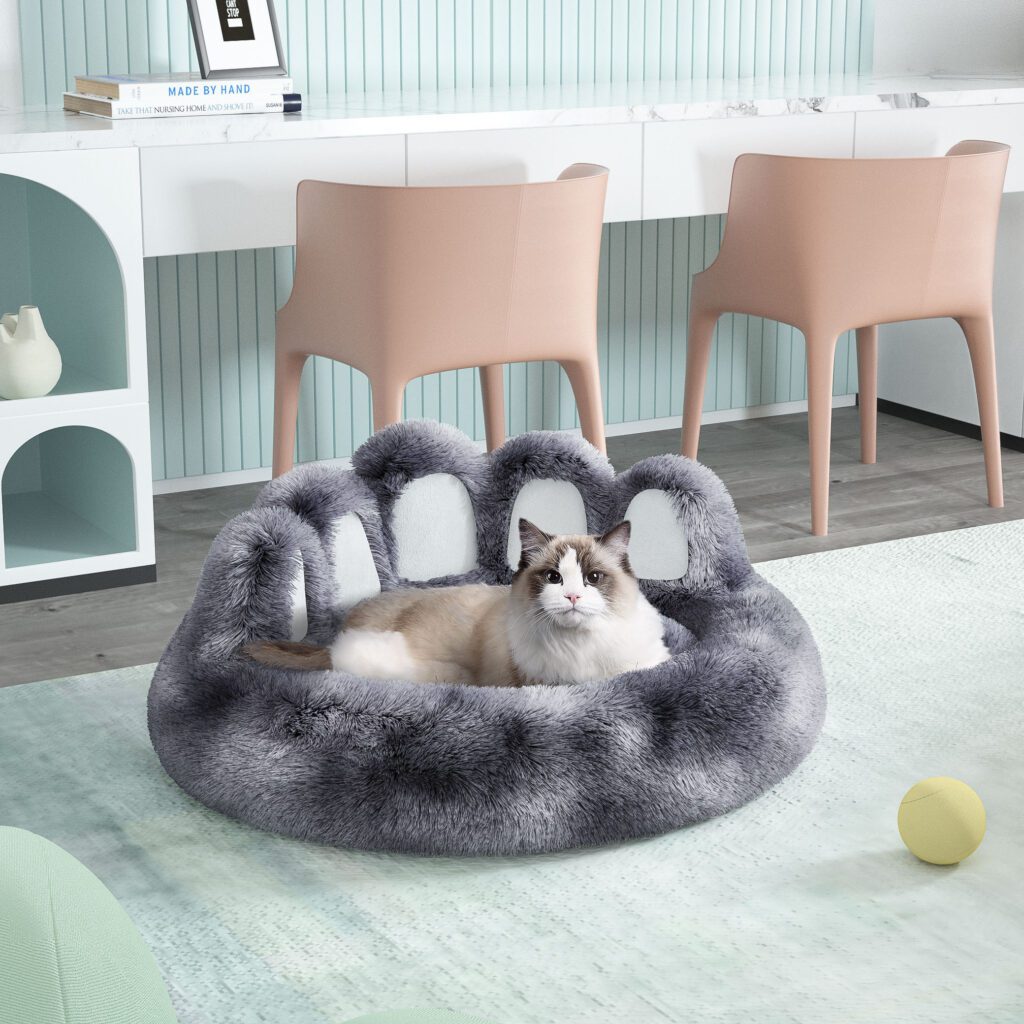
Original price was: $349.99.$149.99Current price is: $149.99.Bear Paw Dog Bed – Soft Pet Bed for Small and Medium Dogs
Price range: $34.99 through $44.99


Conclusion
Introducing a new bed or toy to your pet takes time, understanding, and patience. You need to see the change from their perspective, prepare the environment, and build comfort through scent and routine. Positive reinforcement will help your pet form happy associations. Even if challenges come up, solutions exist to guide your pet toward acceptance. With your encouragement, the new bed can become their safe spot, and the toy can bring endless joy.
FAQs
1. How long does it take for a pet to accept a new bed or toy?
It depends on your pet’s personality. Some adjust within hours, while others take weeks. Patience and consistency help the process.
2. Should I throw away old toys and beds immediately?
No. Keep them during the transition. Removing them too soon can cause stress. Once your pet accepts the new item, you can slowly remove the old ones.
3. What if my pet is scared of the new toy?
Start with slow exposure. Handle the toy yourself and show excitement. Let your pet observe without pressure until they feel comfortable.
4. Can I use treats to encourage my pet to try the new bed?
Yes. Place treats or favorite snacks on the new bed. Positive reinforcement works well to build a connection.
5. What if my pet still refuses the new item after weeks?
If your pet avoids it for too long, seek professional help. A veterinarian or animal behaviorist can check for anxiety or health issues.