
A bath session is a crucial step to keep your dog clean and healthy. However, the question on whether or not you should brush your Brush your dog before bathing it is one that confuses many people. The answer is yes, and brushing dog before bathing is among the most important steps when it comes to proper dog grooming. This process helps to eliminate excess hair, dirt, and tangles from the fur before bathing and applying any shampoo.
It might look harmless to skip this process, but it can be harmful to the effectiveness of the grooming process. Wet knots become tighter and difficult to get rid of after they get wet. Be it a long-haired dog, short-haired, or a heavy shedder dog; brushing before a bath will definitely be helpful. At Clapaw, we know how to take care of your pet properly.
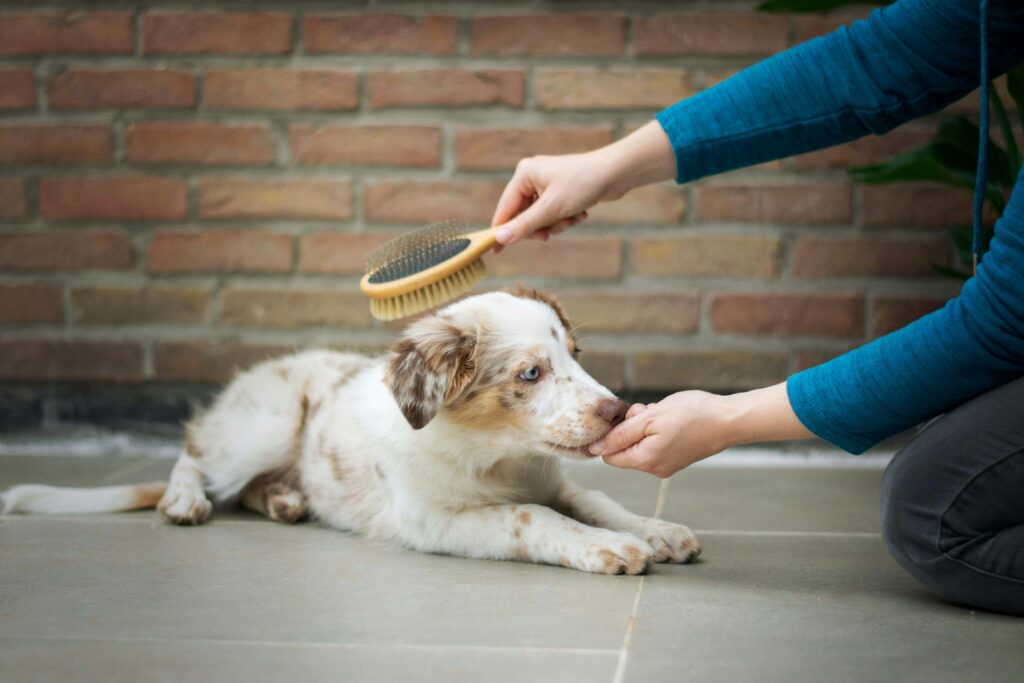
Why Is Brushing Dog Before Bathing Important?
However, most dog owners concentrate solely on the bathing process without giving any consideration to pre-bathing grooming. There are several advantages of brushing your pet before a bath that would assist in maintaining a healthy coat and improving the bathing process as a whole.
If your dog’s fur contains loose hairs, mats, and dirt, then water will make all these problems even worse. The mats tend to clench when wet; therefore, it would become harder for you to untangle them afterward. Brushing is a solution to this problem. Moreover, brushing will help spread natural oils in the coat that are responsible for protecting the dog’s skin and giving a coat shiny look. Besides, by removing all loose debris prior to washing, the shampoo will work better on the skin. Many pet owners unknowingly make mistakes during grooming. Understanding Common Grooming Errors That Stress Pets Out can help improve your dog’s grooming experience.
Benefits of Brushing Dog Before Bathing
Removes Loose Fur
Some of the greatest benefits associated with brushing the dog before bathing involve getting rid of extra fur. The extra fur in the coat will result in making a mess during bathing and when drying. Brushing regularly ensures that there will be less fur in the house
Prevents Tangles and Mats
It is important to note that dogs with long hair and double coats are more likely to develop mats. These mats can get worse if they get wet and cause pain to your pet
Improves Shampoo Performance
A brushed coat allows shampoo to spread evenly across the skin and fur. Instead of getting trapped in loose hair and dirt, the shampoo can clean more effectively.
Supports Healthy Skin
Brushing stimulates blood circulation and helps spread natural oils across the coat. This contributes to healthier skin and a softer, shinier appearance.
Makes Drying Faster
Removing loose fur before bathing reduces drying time and helps prevent tangles from forming after the bath.
Understanding Dog Shedding Before Bath
It is common for many pet parents to observe increased shedding in their dogs prior to giving them a bath. It is absolutely natural.
Dogs usually shed dead or broken hairs throughout the year. Some dogs, such as double-coated varieties, also exhibit heavier seasonal shedding. Without getting rid of loose hairs prior to bath time, these will get stuck in wet hairs and lead to further problems. Dog breeds that would definitely be better off with pre-bathing brushing include:
- Golden Retriever
- German Shepherd
- Labrador Retriever
- Siberian Husky Alaskan Malamute
- Border Collie
Having a good grooming brush like the one made by Clapaw may help reduce shedding and improve the condition of your dog’s coat between baths.
How to Groom a Dog Before Bathing
Learning how to groom a dog before bathing can make a significant difference in coat condition and overall grooming success.
Step 1 – Choose the Right Brush
Different coat types require different grooming tools.
Short-Haired Dogs
Use a silicone dog brush or grooming glove to remove loose fur and massage the skin gently.
Long-Haired Dogs
A slicker brush helps remove tangles and prevent mats.
Double-Coated Dogs
An undercoat rake is useful for removing loose fur trapped beneath the topcoat.
Step 2 – Inspect the Coat
Prior to brushing, you need to inspect your pet’s fur for:
Matting and tangling
- Buildup of dirt
- Dryness of the skin
- Presence of fleas or ticks
- Irritation of the skin
Step 3 – Brush Thoroughly
Start at the head and work toward the tail using gentle strokes. Take your time and avoid pulling aggressively on knots. If you encounter tangles, work through them carefully.
Step 4 – Focus on High-Shedding Areas
Give special consideration to places where loose fur is likely to gather, such as:
- Behind the ears
- Under the legs
- Around the neck
- Near the tail
Such places usually need an extra brush before bathing.
Creating the Perfect Dog Bathing Routine
A proper dog bathing routine involves more than simply applying shampoo and rinsing
Before the Bath
Gather all grooming supplies before starting:
- Dog shampoo
- Towels
- Brush
- Bath brush
- Treats for positive reinforcement
Brushing should always be the first step in the routine.
During the Bath
Rinse your dog with warm water to make its coat moist. Afterwards, use a safe shampoo for pets and work it into its fur. There is a bath brush made out of silicone by Clapaw that will help spread the shampoo and give your dog a nice massage.
After the Bath
Dry your dog thoroughly and brush the coat once again. This helps remove any remaining loose fur and leaves the coat looking smooth and healthy. Choosing the right grooming equipment is important. Learn Electric vs. Manual Grooming Tools: What Suits Your Pet Better to find the best option for your pet.
Common Grooming Mistakes to Avoid
Many pet owners unintentionally make grooming mistakes that affect coat health.
Bathing Without Brushing
This is one of the most common mistakes. Wet tangles become more difficult to remove and may cause discomfort.
Using the Wrong Brush
Different coat types require specific grooming tools. Using the wrong brush can reduce grooming effectiveness.
Brushing Too Aggressively
Harsh brushing can irritate your dog’s skin and make grooming a stressful experience.
Ignoring Regular Grooming
Waiting until bath day to brush your dog often leads to excessive shedding and matting.
Why Pet Owners Choose Clapaw Grooming Tools
Understanding how essential skin and coat health is to pets, Clapaw knows that proper grooming begins even before bath time, and should continue even after the bath. The grooming tools at Clapaw will help you handle the process of shedding, and get rid of any loose hair.
Regardless of whether you have a highly shedding dog, or one with very long hair that needs regular grooming, you can find the best Dog shedding before bath grooming tools for bathing.
Conclusion
Therefore, must you brush your dog before bathing? Yes, you must do it because brushing your dog before taking a bath will help in removing dead hair, avoid matting, increase the efficiency of the shampoo and enhance the health of the skin and coat of your dog.
After reading about the significance of brushing dog before bathing, how to handle dog shedding before bath, dog bathing routine, and grooming a dog before bathing, you are well-informed about ways to maintain a healthy coat of your dog all through the year.
Using appropriate grooming techniques along with good grooming products from Clapaw, bathing your dog can become a hassle-free task for both you and your dog.
Frequently Asked Questions (FAQ)
When Should I Brush My Dog Before or After Bath?
It would be wise to brush your dog both before and after a bath. The former allows you to get rid of loose fur and knots, while the latter will let you have a nice coat.
Does Brushing Reduce Shedding Before Bathing?
Absolutely. Brushing removes any loose fur prior to bathing, thus reducing shedding.
How Often Should I Brush My Dog?
It will depend on your dog’s coat type. Dogs with long coats or double coats should be brushed more than once per week. Short-haired dogs will do fine with weekly brushing.
Which Brush Should Be Used Prior to Bathing My Dog?
It will depend on the type of your dog’s coat. Silicone brushes, slicker brushes, grooming gloves, undercoat rakes can all work for you.
Can You Give Your Dog a Bath Without Prior Brushing?
Yes, but this is highly discouraged. Wet fur makes grooming even harder.
Will Brushing Help to Have a Healthy Coat?
Of course. Brushing helps distribute natural oils, remove loose fur, improves blood circulation, and helps to have a healthier coat.