
Feeding your pet consistently and on time can be a challenge, especially when you’re away or have a busy schedule. That’s where automatic feeders come in handy. But before you set one up, you need to know which food type dry or wet works best for your feeder and your pet’s needs. Both have their advantages, but when it comes to practicality, freshness, and safety, one often stands out. So keep on reading to know Dry vs Wet Food: What’s Best for Automatic Cat Feeder?
What to Know About Dry Food
Dry food, commonly known as kibble, is the most compatible option for automatic feeders. It’s designed to stay fresh longer because of its low moisture content. Kibble pieces are uniform in shape, making them easy for feeders to dispense without clogging.
Dry food is also convenient. You can fill the feeder once and leave it for several days without worrying about spoilage. It’s ideal for pet owners who travel or work long hours. On top of that, it’s easy to clean up no mess, no odor, and no need for frequent refills.
However, dry food contains less moisture. Make sure your pet has constant access to clean drinking water to stay hydrated.
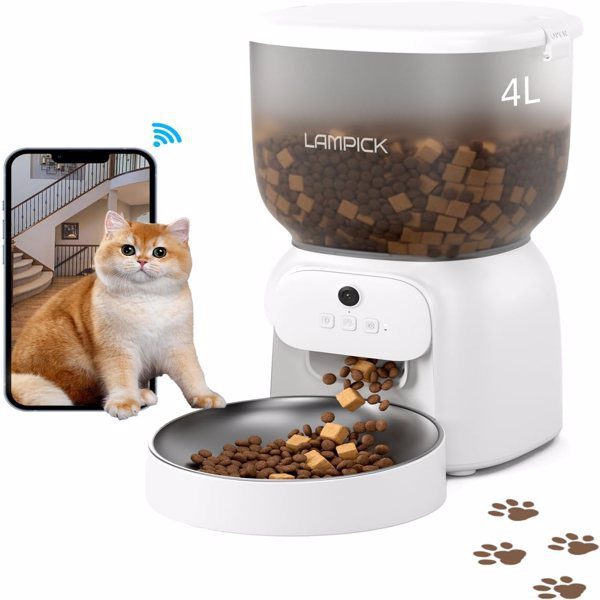
Automatic Cat Feeder With Camera
Keep an eye on your pet and their meals with this Automatic Cat Feeder with Camera. It lets you schedule feeding times, control portions, and watch your cat in real-time through the built-in HD camera. The app-controlled design offers remote access, while voice recording adds comfort during feeding.
What to Know About Wet Food
Wet food offers a strong aroma and rich texture that many pets love. It’s higher in moisture, making it great for hydration and easy digestion. Wet food can be especially helpful for older cats or dogs who have trouble chewing kibble.
But wet food and automatic feeders don’t always work well together. Since it contains a lot of moisture, it spoils quickly if left out. It can also stick to the feeder’s surface or block the dispensing mechanism. Unless your feeder has a built-in refrigeration system, wet food isn’t the best choice for unattended feeding.
Must read: How Smart Cat Toys Prevent Boredom and Stress of Pets
Dry vs Wet Food: Which is Best in Automatic Feeders
Automatic feeders are built to handle dry food efficiently. Kibble flows smoothly through the feeding mechanism, keeping portion sizes accurate. It stays fresh in sealed compartments and doesn’t create odor or bacteria buildup like wet food does.
If you rely on scheduled feeding times, dry food ensures your pet gets consistent meals without interruption. It’s reliable, low-maintenance, and safer for long-term use.
Mixing Dry and Wet Food the Right Way
If your pet enjoys both types, you don’t have to choose just one. You can use dry food in the feeder for daily meals and serve wet food manually during supervised feedings. This balance keeps your pet hydrated and satisfied without risking spoiled food or feeder blockages.
Avoid mixing both types directly inside the feeder. Moisture from wet food can soften the kibble, promote mold, and damage the dispenser. Keep them separate for hygiene and safety.
How to choose the Right Automatic Feeder
Before buying a feeder, check if it’s suitable for your preferred food type. Feeders designed for dry food often feature airtight lids, smooth dispensing systems, and anti-jam mechanisms. Some advanced models include cooling or ice pack options to store wet food safely for short periods, but they require regular cleaning.
For most pet owners, a standard dry-food feeder is the easiest and safest option. It provides convenience without compromising your pet’s nutrition or your peace of mind.
Further readings: How to choose the Right Automatic Feeder for a Cat That Overeats
Feeding Tips for Best Results
- Refill the feeder before it runs empty to prevent mechanical jams.
- Clean the feeder tray and compartments regularly.
- Store dry food in a cool, dry place to maintain freshness.
- Monitor your pet’s weight and appetite to adjust portions if needed.
Conclusion
When it comes to automatic feeders, dry food is the better choice. It’s easy to dispense, lasts longer, and keeps your pet’s meals consistent even when you’re not home. Wet food, while nutritious and flavorful, requires more attention and isn’t suited for long unattended use.
The best approach is to combine both wisely use dry food in the automatic feeder for everyday meals and offer wet food as an occasional treat. This keeps your pet’s diet balanced, tasty, and safe while giving you the convenience of automated feeding.
F.A.Qs
1. Can I use wet food in an automatic feeder?
Most automatic feeders are designed for dry food. Wet food can spoil quickly and may clog the dispenser. If you prefer wet food, look for feeders with cooling features.
2. How long can dry food stay fresh in an automatic feeder?
Dry food can stay fresh for several days if the feeder has an airtight lid. Always store the feeder in a cool, dry place to maintain freshness.
3. Is a mix of dry and wet food good for pets?
Yes, combining both can balance hydration and nutrition. However, you may need to serve wet food manually and use dry food in the feeder.
4. How often should I clean my automatic feeder?
Clean the feeder at least once a week to prevent buildup of oils or bacteria, especially if you switch between wet and dry food.
5. What type of food is easiest to dispense automatically?
Dry kibble is the easiest and safest option. It flows smoothly through the dispenser and stays fresh longer without refrigeration.