
Signs Your Dog’s Harness Does not Fit Right and How to Fix It
As a pet owner, you want the best for your dog. When it comes to keeping your dog safe and comfortable, a well-fitted harness is crucial. A harness that doesn’t fit properly can cause discomfort, restrict movement, or even lead to injury.
If you’re wondering whether your dog’s harness is right for them, you’re not alone. Many pet owners struggle to ensure the perfect fit. Fortunately, it’s easy to tell if something’s off and just as easy to fix. In this guide, we’ll walk you through the common Signs Your Dog’s Harness Does not Fit Right and show you how to correct them.
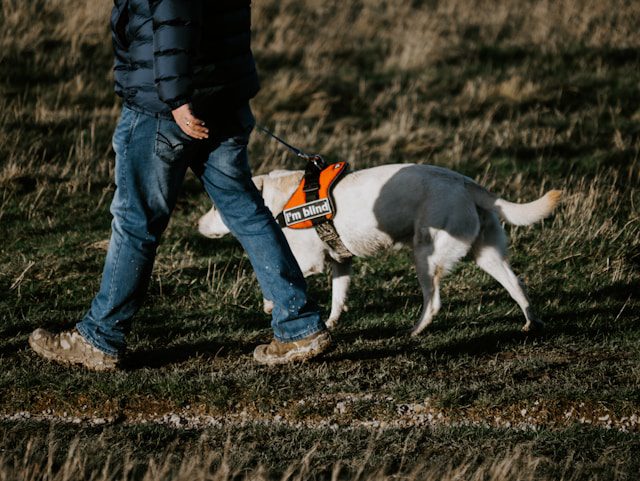
Signs Your Dog’s Harness Doesn’t Fit Right
Market growth is fueled by more pet ownership, focus on safety and health, and demand for innovative, ergonomic harness designs.
A good harness should fit snugly but not too tight, allowing your dog to move comfortably. It should provide control without causing any discomfort. But how can you tell if it’s the right fit? Look out for these common signs.
1. Your Dog Shows Discomfort or Pain
If your dog seems uncomfortable while wearing the harness, or if you notice them frequently trying to scratch or bite at it, it’s likely not the right size. Discomfort may also present itself when your dog starts limping or hesitating to walk.
2. The Harness Leaves Marks or Chafing
When a harness is too tight, it can rub against your dog’s skin, leading to chafing or pressure sores. If you notice red marks or any irritation after taking off the harness, that’s a clear indication that it’s too snug. A harness should sit comfortably on your dog’s body without causing any abrasions.
3. The Harness Slips Around Too Much
On the other hand, if the harness is too loose, your dog may have trouble keeping it in place. A harness that constantly slips or twists during walks can be frustrating for both you and your dog. Not only does this affect your control over them, but it can also lead to them pulling out of the harness entirely.
4. The D-Ring is Positioned Poorly
The D-ring, the metal loop where the leash attaches, should sit in a natural position, typically on the back or chest. If the D-ring is pulling too much to one side, or if it’s positioned in a way that causes discomfort, then the harness is not designed properly for your dog’s body.
5. Your Dog Can’t Move Freely
Your dog’s harness shouldn’t restrict movement. If they seem stiff when walking, or if the harness limits their ability to run, jump, or play, it’s time for a fit adjustment. An ill-fitting harness that limits your dog’s natural movements can be uncomfortable and cause long-term issues.
Must Read
- Clicker Training Basics: A Beginner’s Guide to Positive Reinforcement
- Harness vs Collar: What’s Better for Daily Walks?
- How to Introduce Grooming Tools to a Nervous Pet?
How to Fix the Fit of Your Dog’s Harness
Once you’ve identified that the harness isn’t fitting properly, the next step is to fix it. Here’s what you can do.
1. Check the Size and Adjust Straps
First, double-check the size of the harness. Most harnesses come with adjustable straps. If your dog’s harness feels tight or loose in certain areas, adjust the straps until it feels more comfortable. Be sure the straps are snug but not constricting; your dog should be able to move freely.
2. Choose a Different Style or Design
If adjusting the straps doesn’t solve the issue, you may want to consider changing the style or design of the harness. Some dogs may be better suited for a front-clip harness, while others might prefer a back-clip design. There are many styles available to match your dog’s body shape, and finding one that fits their specific needs can make all the difference.
3. Add Padding or Soft Fabric
If your dog’s harness is causing discomfort in certain areas, consider using a harness with additional padding or softer fabric. This can help reduce chafing and provide extra comfort, especially if your dog has sensitive skin or longer walks ahead.
4. Take Your Dog for a Fit Test
After adjusting the harness, take your dog for a short walk. Observe how they move, and keep an eye out for any signs of discomfort. If they’re walking naturally and the harness isn’t shifting or pinching, you’re on the right track.
5. Consult a Professional
If you’re still unsure whether your dog’s harness fits properly, or if adjusting it doesn’t seem to help, consider consulting a professional. Some pet stores offer fitting services, or you can ask your veterinarian for advice. A harness specialist can help you find a design that works best for your dog’s body type.
Conclusion
A well-fitted harness keeps your dog safe, comfortable, and happy on every walk. If you notice rubbing, slipping, or signs of discomfort, take the time to measure your dog and adjust or replace the harness. Choosing the right fit not only prevents injuries but also makes walks more enjoyable for both you and your dog.
Frequently Asked Questions (FAQs)
1. How do I know if the harness is too tight for my dog?
If the harness leaves red marks, causes chafing, or your dog is showing signs of discomfort, it’s likely too tight. You should be able to fit two fingers between the harness and your dog’s body.
2. Can a loose harness hurt my dog?
Yes, a loose harness can cause your dog to slip out or move uncomfortably, leading to frustration, and in some cases, it can even be a safety hazard.
3. Should I measure my dog before buying a harness?
Absolutely! Measuring your dog before purchasing a harness is the best way to ensure a good fit. Measure around their chest and neck to find the correct size.
4. How often should I check my dog’s harness fit?
It’s a good idea to check your dog’s harness regularly, especially if they’re still growing or if you notice any signs of discomfort during walks.
5. Can I use a harness for a puppy?
Yes! Puppies benefit from using a harness since it’s gentler on their developing bodies compared to collars. Just make sure the harness is the right size and adjustable as they grow.