
Shedding is something every dog owner knows and deals with. Nevertheless, there may be situations when people get alarmed by noticing large amounts of hair around the house or even in the laundry basket. For sure, if you have been wondering why do dogs shed so much, you are not the only one. While shedding is a regular occurrence during the dog coat’s development cycle, there may be some problems which need to be resolved.It is crucial to know the causes of shedding and apply dog shedding solutions to achieve great results both in terms of your pet’s coat and home hygiene. No matter what kind of breed you have – whether it is short-haired, long-haired or double-coated one – proper grooming will give you amazing results. At Clapaw, we are confident that good grooming habits are the key to great skin and coat care for any dog.
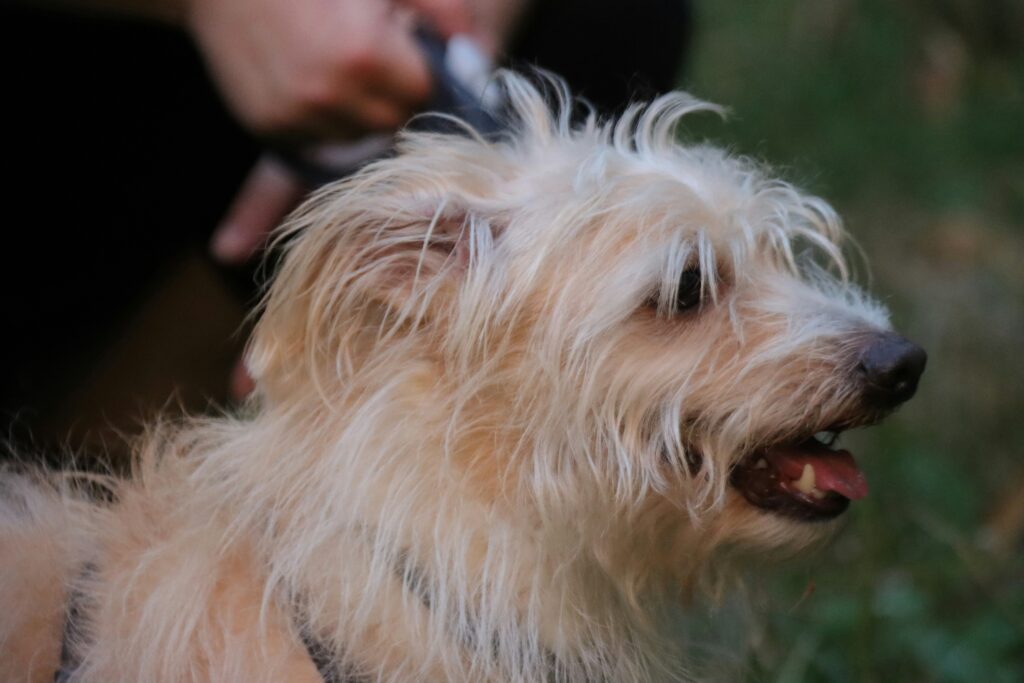
Why Do Dogs Shed So Much?
Hair fall or shedding in canines is the natural phenomenon where the old and unhealthy hair is lost to give place for fresh new hairs to grow out. It ensures that the dog is able to have a healthy fur coat. Shedding in dogs differs from breed to breed, age to age, health, climatic conditions, and season to season.
There are breeds like the Golden Retriever, German Shepherd, Labrador Retriever, Siberian Husky, and the Alaskan Malamute which shed excessively owing to their thick double coats. However, there can be cases where excessive hair loss can be due to some underlying health condition of the dog. Shedding in dogs differs from breed to breed, age to age, health, climatic conditions, and season to season. Understanding your dog’s coat structure through Different Dog Coat Types: A Complete Guide for Pet Owners can make shedding easier to manage.
Common Causes of Excessive Shedding in Dogs
Seasonal Shedding
The seasonal variation in the fur of dogs is one of the most frequent reasons for shedding. Most of the dogs tend to have thick fur in winters and as soon as the temperature rises, they start shedding excessively.
The dogs which have double coats are known to shed the undercoat in a process called “blowing coat”.
Poor Nutrition
The quality of a dog’s coat is a direct reflection of his general health condition. Poor-quality food that does not contain sufficient amounts of necessary nutrients can cause such problems as excessive hair loss, dry skin, and poor-looking coat.
Some important nutrients for the proper coat care are:
- Omega-3 fatty acids
- Omega-6 fatty acids
- Protein
- Zinc
- Vitamin A and E
Stress and Anxiety
As with people, stress causes dogs to have physical responses. Changes in their surroundings, routines, or even the household can cause more hair fall.
Sources of stress for dogs are:
- Relocation
- New animals
- Noise
- Separation anxiety
- Routine changes
Control of stress can reduce shedding problems.
Skin Allergies
Allergy is one other leading factor that causes shedding. The dog can be allergic to some food components, environment, and even the grooming products.
These include:
- Scratching
- Redness
- Hair loss
- Irritation on the skin
- Hot spots
When shedding occurs together with skin issues, a visit to the vet should be done.
Parasites
Fleas, ticks, and mites can irritate the skin and cause abnormal shedding. Regular parasite prevention plays an important role in maintaining healthy skin and coat condition.
Medical Conditions
Sometimes excessive shedding is linked to underlying health problems such as:
- Hormonal imbalances
- Thyroid disorders
- Skin infections
- Nutritional deficiencies
When shedding becomes severe or sudden, veterinary evaluation is important.
Dog Shedding Solutions That Actually Work
Follow a Regular Dog Grooming Routine
Dog grooming routine is among the easiest methods for controlling the shedding problem. Brushing helps in getting rid of hair before it falls off on the floor and your furniture.
It varies depending on the type of coat your pet has:
Short-Haired Dogs
Brush once or twice per week to remove loose fur and distribute natural oils.
Long-Haired Dogs
Brush several times each week to prevent tangles and remove shed hair.
Double-Coated Dogs
Daily brushing during shedding seasons may be necessary to control loose undercoat hair.
Choose the Right Grooming Tools
Not all brushes are designed for every coat type.
Slicker Brushes
Ideal for long-haired breeds and dogs prone to tangles.
Undercoat Rakes
Perfect for double-coated breeds that shed heavily.
Silicone Grooming Brushes
The silicone brush helps in the removal of any excess hair through the process of massaging. The silicone brush is most effective during bathing sessions.
Use of high-quality grooming equipment by Clapaw will help you to effectively control your pet’s shedding problem.
Bathing Helps Control Shedding
Bathing regularly can assist in getting rid of old hairs as well as dirt, which cause unhealthy coats. Over-bathing can result in removal of natural oils and hence increase skin conditions.
Select pet shampoo and bathe as per the recommended bathing schedule according to the dog’s coat and life style. Combination of bathing and brushing gives the most effective results.
Maintain Healthy Skin and Coat
Healthy skin leads to healthy fur. Good skin care consists of
- Nutrition balance
- Proper hydration
- Regular grooming
- Parasite control
- High-quality grooming supplies
As skin becomes healthier, shedding problems become less.
When Should You Be Concerned About Shedding?
Normally, the shedding process should not cause any bald areas or make the dog’s coat thin. You should consult a vet if you observe:
- Unusually high amounts of hair shedding
- Bald patches
- Frequent scratching
- Skin inflammation
- Bad smell from the skin
- Changes in the texture of the coat
All of these signs could point to some underlying proble
Why Pet Owners Trust Clapaw for Grooming Care
At Clapaw, we know that shedding is a nuisance to pet parents. That is why the best grooming products are meant to aid in keeping the dogs’ coats healthy while ensuring that the grooming experience is more pleasant for the pets.
Good brushing, proper bathing, and good grooming products play an integral role in limiting the shedding problem and improving the health of the coat of your dog. Good brushing, proper bathing, and good grooming products play an integral role in limiting the shedding problem. Choosing between different grooming equipment can be easier after reading Electric vs. Manual Grooming Tools: What Suits Your Pet Better.
Conclusion
If you have been wondering why dogs shed so much, the reason may be because of the coat cycle of the dog, seasons, the grooming process, nutrition or even an existing medical condition. Excessive dog shedding can actually be reduced if proper care is taken.
By following a regular grooming process for your dog, using the best dog shedding solutions remedies, keeping the diet healthy and having the best grooming products by Clapaw, you can maintain the health of your dog’s coat and make sure that there is minimum shedding.
Frequently Asked Questions (FAQ)
Why is my dog shedding so much all of a sudden?
Sudden shedding may result from stress, allergies, parasites, dietary changes, or underlying medical conditions.
What dog breeds shed the most?
Golden Retrievers, German Shepherds, Labrador Retrievers, Huskies, and Alaskan Malamutes are among the heaviest shedders.
How can I reduce dog shedding naturally?
Regular brushing, a healthy diet, proper hydration, and routine grooming can help reduce shedding naturally.
Does bathing help with dog shedding?
Yes. Bathing helps remove loose hair and dirt while supporting overall coat health when done correctly.
What is the best brush for dog shedding?
The best brush depends on coat type. Undercoat rakes, slicker brushes, and silicone grooming brushes are all effective options.
When should I see a veterinarian about shedding?
Consult a veterinarian if shedding is accompanied by bald spots, skin irritation, redness, excessive scratching, or sudden hair loss.